Cognitive Training Tips: Must-Have Strategies for Best Brain Performance
Cognitive training tips have become essential tools for anyone looking to boost brain function, improve memory, and enhance overall mental performance. As our lives become increasingly fast-paced and information-rich, maintaining sharp cognitive abilities is more important than ever. Whether you’re a student, professional, or simply someone keen to keep your mind agile, adopting effective strategies can make a significant difference. In this article, we’ll explore practical cognitive training tips that can help you unlock your brain’s full potential.
Understanding Cognitive Training and Its Importance
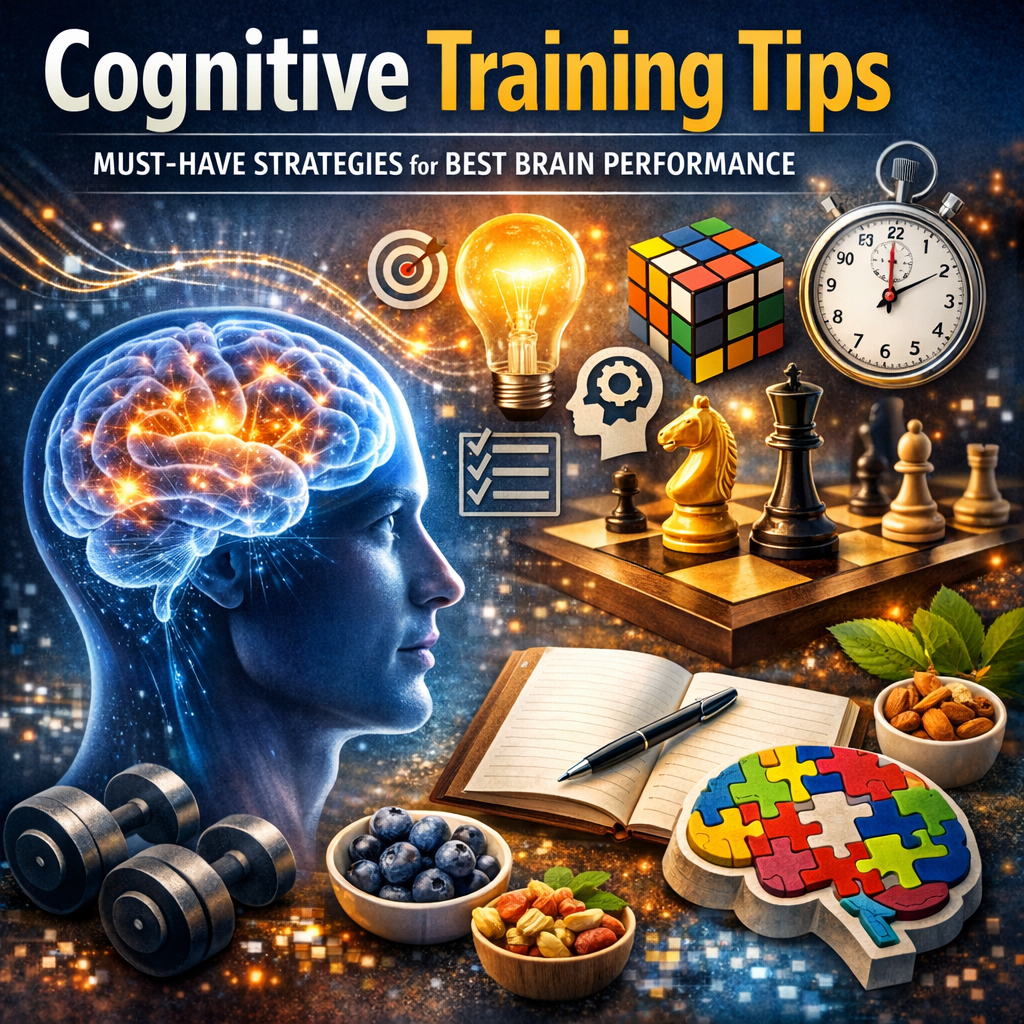
Cognitive training involves exercises and activities designed to improve specific brain functions such as attention, memory, problem-solving, and processing speed. Think of your brain as a muscle—regular workouts help it stay strong and flexible. Through targeted training, people have reported improvements in focus, creativity, and decision-making, which positively impact daily life and professional tasks.
The key is consistency and variety. Just like physical workouts, cognitive training requires regular practice and a mix of techniques to engage different areas of the brain. Below are tried and tested cognitive training tips that you can easily incorporate into your daily routine.
Effective Cognitive Training Tips to Boost Brain Performance
1. Engage in Brain-Boosting Games and Puzzles
One of the simplest ways to challenge your mind is through games and puzzles. Activities like Sudoku, crosswords, chess, and memory matching exercises stimulate different cognitive skills such as planning, pattern recognition, and working memory. These tasks train your brain to think more flexibly and improve problem-solving abilities.
2. Practice Mindfulness Meditation Regularly
Mindfulness meditation is more than just a stress-reduction technique; it’s a cognitive enhancer. By focusing attention and calming the mind, mindfulness improves concentration, emotional regulation, and memory retention. Beginners can start with just 10 minutes a day, gradually increasing as they become more comfortable.
3. Learn New Skills or Languages
Learning something new challenges the brain to form new neural connections, a process known as neuroplasticity. Whether it’s a musical instrument, a hobby, or a foreign language, acquiring new skills forces your brain to adapt, enhancing cognitive flexibility and memory encoding.
4. Maintain a Healthy Lifestyle for Cognitive Vitality
Your brain’s performance is closely linked to physical health. Regular exercise increases blood flow to the brain, promoting the growth of new brain cells and improving cognitive function. Likewise, a balanced diet rich in antioxidants, omega-3 fatty acids, and vitamins supports memory and reduces cognitive decline risks.
5. Utilize Memory Techniques
Mnemonic devices, chunking information, and visualization are powerful memory aids. Using these techniques regularly during study or work helps in retaining and retrieving information more efficiently, which is crucial for learning and productivity.
6. Get Adequate Sleep Every Night
Sleep plays a vital role in consolidating memories and clearing brain toxins. Chronic sleep deprivation impairs attention, decision-making, and creativity. Prioritizing 7-9 hours of quality sleep ensures your brain is ready to absorb and process information effectively.
Incorporating Technology in Your Cognitive Training Routine
Technology offers numerous tools designed specifically for cognitive improvement. Mobile apps like Lumosity, Peak, or Elevate provide personalized training sessions based on your current performance levels. However, while these applications are helpful, it’s important to diversify your cognitive exercises beyond screens to optimize brain health.
Cognitive Training Tips for Stress Management and Mental Health
High stress levels can impair cognitive function, making it difficult to focus and remember information. Cognitive training tips for the best brain performance must include stress management strategies such as deep breathing exercises, time management, and physical activity. Reducing anxiety clears mental clutter, allowing your cognitive training efforts to be more effective.
Tracking Progress and Setting Realistic Goals
To maximize the benefits of cognitive training, set achievable goals and monitor your progress over time. Note improvements in specific areas such as memory recall speed or problem-solving efficiency. Regular assessment helps keep you motivated and allows you to adjust your training methods as needed.
Conclusion
Incorporating cognitive training tips into your lifestyle is a worthwhile investment for enhancing brain performance and mental clarity. By engaging in stimulating activities, maintaining physical and mental well-being, and using smart learning techniques, you can improve your cognitive abilities and keep your mind sharp for years to come. Remember, the best brain performance comes from a well-rounded approach—one that combines mental exercises, healthy habits, and continuous learning. Start today, and witness the positive transformation in your cognitive skills tomorrow.