Brain Health Tips Tips: Must-Have Strategies for Optimal Wellness
In today’s fast-paced world, prioritizing mental well-being is more important than ever. The term “brain health tips tips” might sound repetitive, but it underscores the essential need to integrate multiple strategies that nurture cognitive function and overall brain wellness. Our brains are the command centers of our bodies, influencing memory, decision-making, emotional balance, and creativity. Adopting effective habits to support brain health can lead to improved cognition, reduced risk of neurodegenerative diseases, and a higher quality of life. Below, we delve into must-have strategies that are both practical and scientifically supported for boosting brain vitality.
Understanding the Importance of Consistent Brain Health Tips Tips
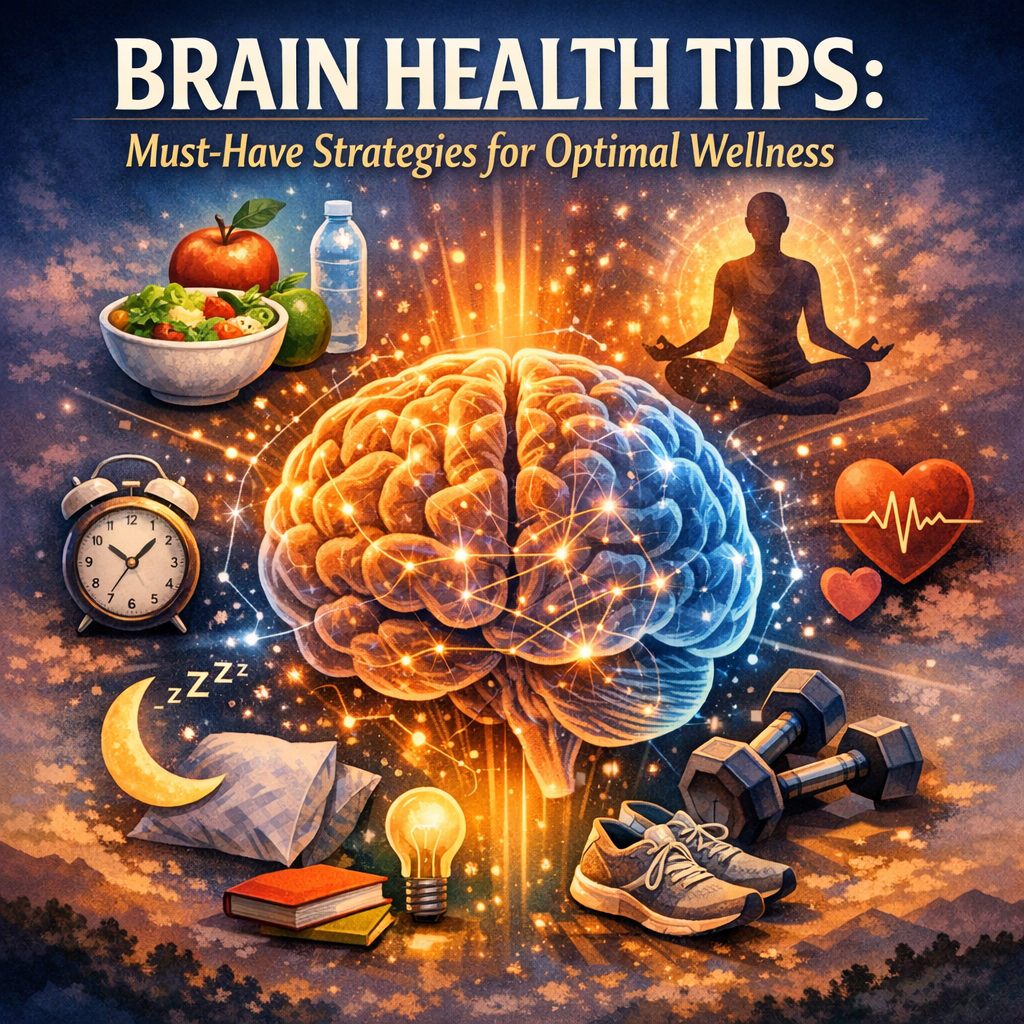
Brain health isn’t a one-time concern; it’s a lifelong commitment. Many people assume mental decline is inevitable with age, but neuroscience tells a different story. With consistent care, the brain retains its plasticity—the ability to adapt, grow, and form new connections—even into later years. This is why brain health tips tips emphasize a holistic approach, including physical fitness, diet, stress management, sleep, and mental stimulation.
Brain Health Tips Tips: The Role of Nutrition
The food we consume has a direct effect on how well our brain functions. Nutrient-dense diets rich in antioxidants, healthy fats, vitamins, and minerals help protect brain cells from damage and improve communication between neurons.
– Omega-3 Fatty Acids: Found in fatty fish like salmon and walnuts, these fats are crucial for maintaining the structure of brain cells and promoting memory and learning.
– Antioxidants: Berries, dark leafy greens, and nuts contain antioxidants that combat oxidative stress, a leading cause of cognitive decline.
– Vitamins and Minerals: Vitamins B, D, E, and magnesium have all been linked with healthy brain function.
Incorporating these elements into daily meals can lay a strong foundation for cognitive health.
Move Your Body to Boost Brain Power
Physical exercise is not only good for the heart and muscles but also for the brain. Regular aerobic activities like walking, jogging, and swimming increase blood flow to the brain, encouraging growth of new neurons and enhancing brain plasticity.
Exercise reduces inflammation and promotes the release of growth factors that aid brain cell survival. Experts recommend at least 150 minutes of moderate exercise per week for optimal brain benefits. Additionally, activities involving coordination and balance, such as dancing or yoga, can further stimulate neural connections.
Prioritize Quality Sleep for Mental Clarity
Sleep is instrumental in memory consolidation and clearing out toxins that accumulate in the brain during waking hours. Poor sleep patterns interfere with cognitive processes and increase the risk of neurodegenerative conditions like Alzheimer’s disease.
To maximize sleep quality:
– Establish a consistent sleep schedule.
– Create a restful environment free of noise and distractions.
– Limit exposure to screens before bedtime as blue light disrupts melatonin production.
Ensuring you get 7-9 hours of restorative sleep each night is one of the best investments you can make in your brain health.
Manage Stress for Emotional and Cognitive Balance
Chronic stress can be detrimental to brain function, impairing memory and increasing vulnerability to mental health disorders. The brain’s hippocampus, a region crucial for memory, shrinks under prolonged stress exposure.
Effective stress management strategies include:
– Mindfulness meditation
– Deep breathing exercises
– Engaging in hobbies or social activities
Incorporating these techniques into your routine can promote resilience and protect your brain from stress-induced damage.
Challenge Your Brain Regularly
Just like muscles need exercise to stay strong, the brain requires mental challenges to maintain performance levels. Learning new skills, solving puzzles, and engaging with complex subjects can stimulate neural networks and enhance cognitive reserve.
Some actionable ideas:
– Take up a new language or musical instrument.
– Play strategy games or complete crossword puzzles.
– Read widely and discuss new ideas with others.
These activities not only improve mental agility but also ward off cognitive decline over time.
Stay Socially Connected
Social interaction is a powerful brain booster. Engaging with friends, family, and community groups helps stave off feelings of loneliness and depression, both of which negatively impact cognitive health.
Make an effort to:
– Participate in group activities or clubs.
– Volunteer for causes that matter to you.
– Maintain regular contact with loved ones.
Socially active individuals tend to have a lower risk of dementia and enjoy more fulfilling lives.
Conclusion: Integrating Brain Health Tips Tips for a Vibrant Mind
To sum up, maintaining brain health requires a multi-faceted approach that spans nutrition, exercise, sleep, mental stimulation, stress control, and social connections. Embracing these brain health tips tips consistently can empower you to enhance cognitive function, emotional balance, and long-term wellness.
The brain is a remarkable organ capable of growth and adaptation across your lifespan. By investing in these strategies today, you set the stage for a sharper, healthier mind capable of meeting the demands of tomorrow. Remember, optimal brain wellness is not about a single tip but the synergy of many habits developing over time. Start small, stay consistent, and watch your mental fitness flourish.