Neuroplasticity 2026: Discover Stunning Breakthroughs for Better Brain Health
Neuroplasticity 2026 is shaping up to be a revolutionary year in understanding how the brain adapts, changes, and heals itself. With rapid advancements in neuroscience and technology, the concept of neuroplasticity—the brain’s ability to reorganize itself by forming new neural connections—is being better understood and harnessed in ways never before possible. This is creating exciting possibilities for improving brain health, treating neurological disorders, and even enhancing cognitive performance in healthy individuals.
In this article, we’ll explore the most promising discoveries and innovations expected to define neuroplasticity research and application in 2026. From cutting-edge brain stimulation techniques to personalized cognitive therapies, these breakthroughs offer hope for millions and provide new tools for optimizing brain function throughout life.
What is Neuroplasticity and Why It Matters Today
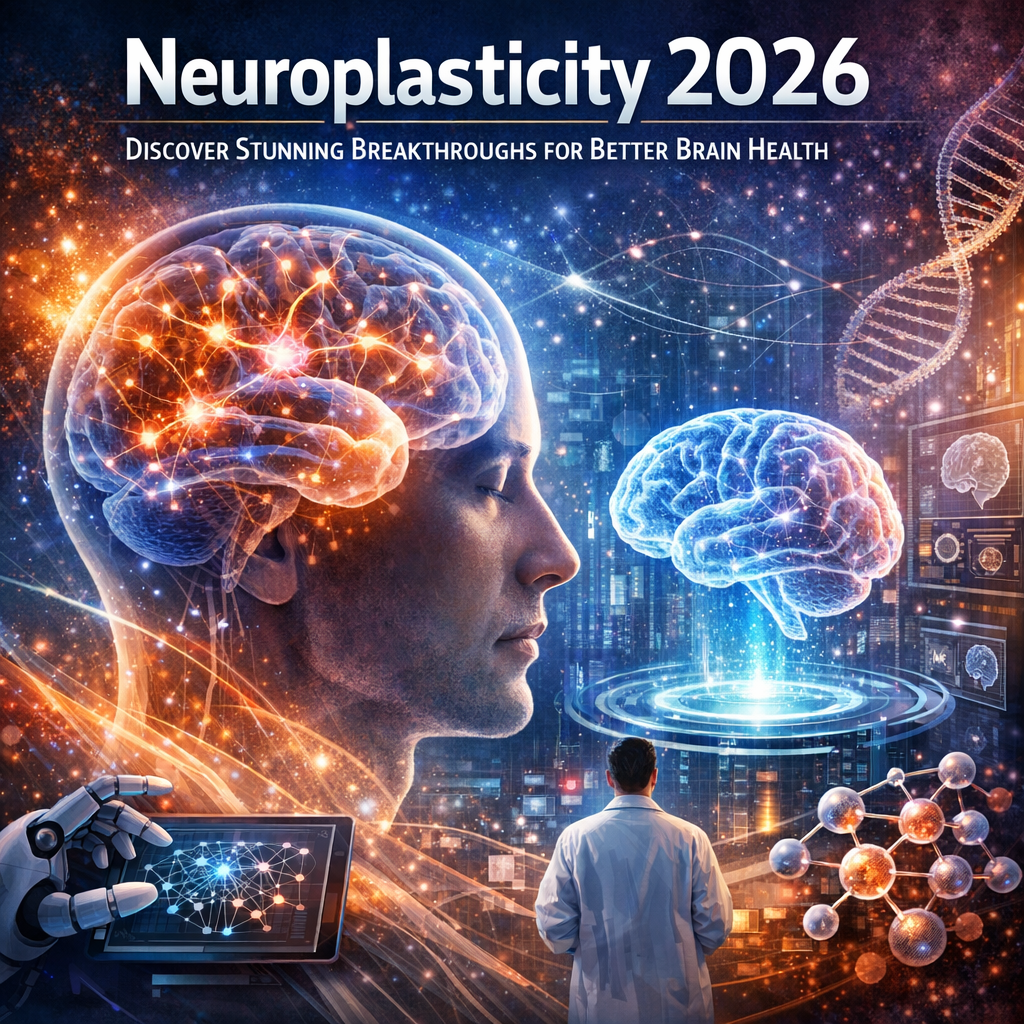
Neuroplasticity refers to the brain’s remarkable capacity to modify its structure and function in response to experience, learning, and injury. Unlike the old notion that the adult brain is a fixed, unchangeable organ, modern research has proven that neural pathways can be rewired at any age. This foundational understanding has fueled major breakthroughs in treating stroke, traumatic brain injury, neurodegenerative diseases like Alzheimer’s and Parkinson’s, and mental health conditions.
By 2026, the ongoing research into neuroplasticity is expected to break new ground by integrating advanced imaging, artificial intelligence (AI), and tailored interventions, enabling targeted manipulation of brain circuits with unprecedented precision.
Neuroplasticity 2026: Emerging Technologies Revolutionizing Brain Health
Advanced Brain Stimulation Methods
One of the most exciting frontiers in neuroplasticity studies involves non-invasive brain stimulation techniques. Transcranial magnetic stimulation (TMS) and transcranial direct current stimulation (tDCS) have already shown promise in clinical settings by enhancing cortical excitability and promoting neural rewiring.
In 2026, we anticipate more refined versions of these technologies, such as adaptive stimulation devices that use real-time brain activity monitoring to deliver personalized doses. These advancements will improve outcomes for patients suffering from depression, anxiety, and cognitive impairments by promoting beneficial neuroplastic changes without the need for pharmaceuticals.
AI-Powered Neuroplasticity Mapping
Understanding which brain circuits to target for optimal neuroplasticity is a significant challenge. By 2026, artificial intelligence algorithms will analyze vast datasets from functional MRI (fMRI), electroencephalography (EEG), and genetic profiling to generate individualized brain maps. These AI-powered neuroplasticity maps will guide clinicians in developing patient-specific rehabilitation programs that maximize neural recovery and cognitive enhancement.
This personalized approach moves beyond “one size fits all” treatments, offering precision medicine for brain health.
Neuroprosthetics and Brain-Computer Interfaces (BCIs)
The integration of neuroplasticity insights with neuroprosthetics and BCIs is set to transform therapeutic options for individuals with paralysis, sensory deficits, and other neurologic impairments. By decoding neural signals and converting them into commands for prosthetic limbs or communication devices, these interfaces promote new neural connections that improve motor control and sensory perception.
Innovations expected in 2026 will focus on bi-directional BCIs that not only receive signals from the brain but also provide sensory feedback, further engaging neuroplastic mechanisms to enhance adaptation.
Lifestyle and Behavioral Interventions for Boosting Neuroplasticity
While technology offers incredible possibilities, everyday lifestyle choices remain vital for stimulating neuroplasticity. In 2026, a growing body of research will reinforce the role of physical exercise, meditation, cognitive training, and diet in preserving and enhancing brain plasticity.
– Physical Exercise: Aerobic activities and strength training stimulate the release of brain-derived neurotrophic factor (BDNF), a critical protein that supports neural growth and connectivity.
– Mindfulness Meditation: Practices that cultivate focused attention and emotional regulation help restructure brain areas involved in stress reduction and cognitive flexibility.
– Cognitive Training: Computerized brain-training games and problem-solving exercises challenge the brain, encouraging synaptic growth and new circuit formation.
– Nutrition: Diets rich in antioxidants, omega-3 fatty acids, and anti-inflammatory compounds support neural health at the molecular level.
The synergy between these natural strategies and technological breakthroughs will make brain health optimization accessible and effective for diverse populations.
The Future of Neuroplasticity and Brain Health
As we approach 2026, the convergence of neuroscience, technology, and personalized medicine will redefine what it means to maintain and enhance brain health across the lifespan. Neuroplasticity will no longer be a mere academic concept but a practical toolkit used by clinicians, therapists, and even individuals to foster resilience, recovery, and cognitive excellence.
In the coming years, ongoing clinical trials and research initiatives will continue to unveil how we can specifically harness neuroplasticity to mitigate the effects of aging, prevent neurodegenerative diseases, and help stroke survivors regain vital functions.
Conclusion
The advancements in neuroplasticity 2026 promise to unlock astonishing new ways to support and rejuvenate the brain. From AI-driven personalized therapies to advanced brain stimulation techniques and lifestyle integration, the future is bright for those seeking to improve mental agility and recover from neurological challenges. Embracing these innovations while maintaining holistic brain health practices will empower individuals to live fuller, cognitively vibrant lives well into the future. Keep an eye on this dynamic field—it’s poised to redefine brain health as we know it.